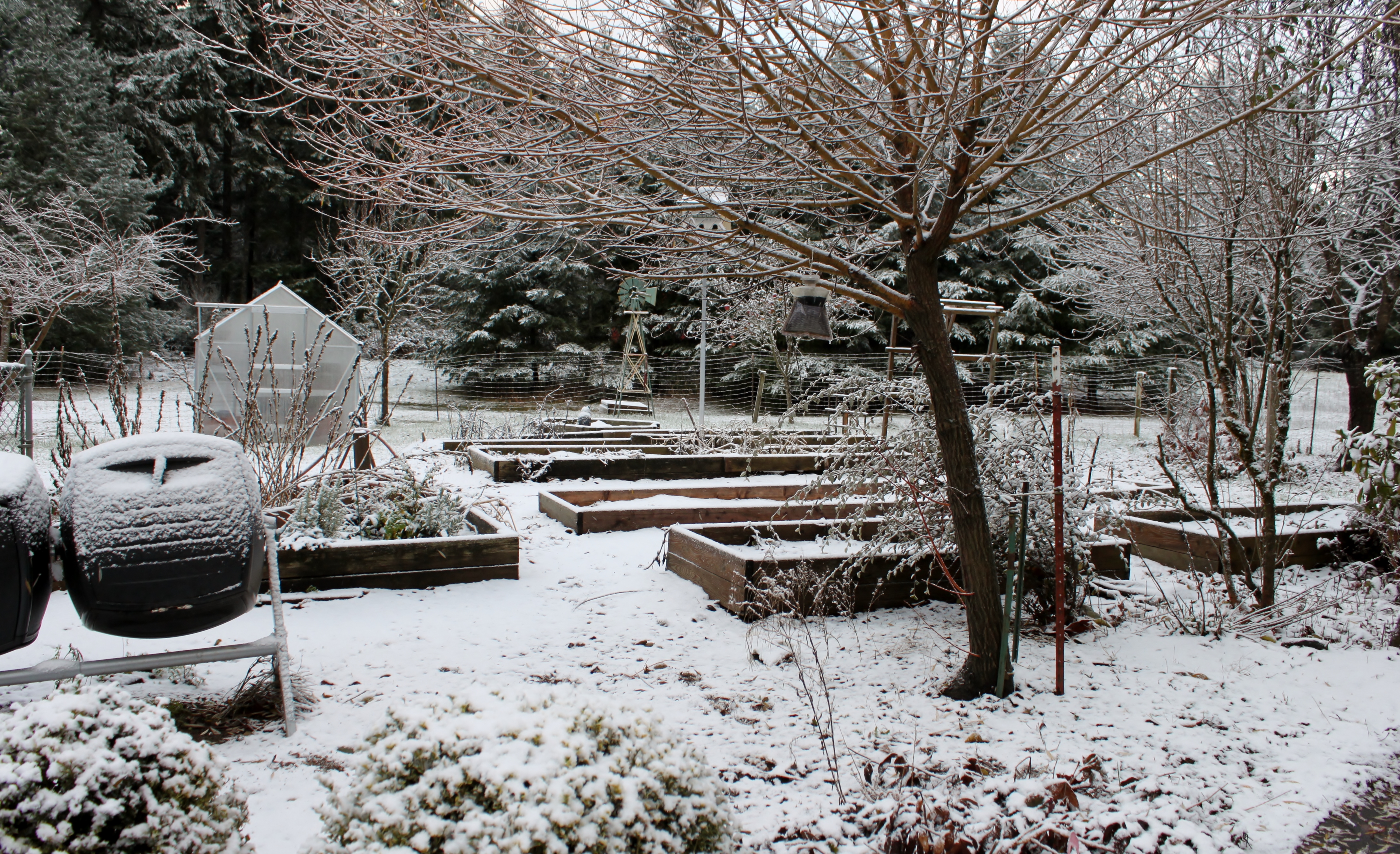
I’m sitting at my desk in my chilly “office” aware of the alternating downpour/drizzle rain against my window. It’s 45 degrees F out..not super cold and there is no snow on the ground – garden bed soil might just be cool enough to plant garlic and onions now.
In the meantime, I’ve developed a list of sorts. Typically, I’m one to make mental lists and sometimes jot them down (only to lose them,) but recent developments insist I have written a list to follow, because the chores have increased. Which is a good thing.
- Our luffa plants absolutely took off this year. We have more than we can use, and unfortunately some will go to the compost bin. This is a little concerning because those seeds…wow..they’re prolific. The immature squash is, apparently, tasty to eat. We didn’t get that experience in. The beauty about the luffa is in it’s growing season.
- You plant.
- Let it grow.
- Let it die and get brown,
- Harvest.
- Peel, shake out seeds.
- DIY sponge things to use in bathrooms, kitchens etc.
- When the first frost came it killed all the vines so we harvested the remainder. Fortunately, these are approved to give to the cattle – in moderation. We have plenty dried sponges to gift!
2. Clean up all spent plants. Time to dig up the scraggly peppers, the droopy sunflowers, the shriveled peas you never had time for.
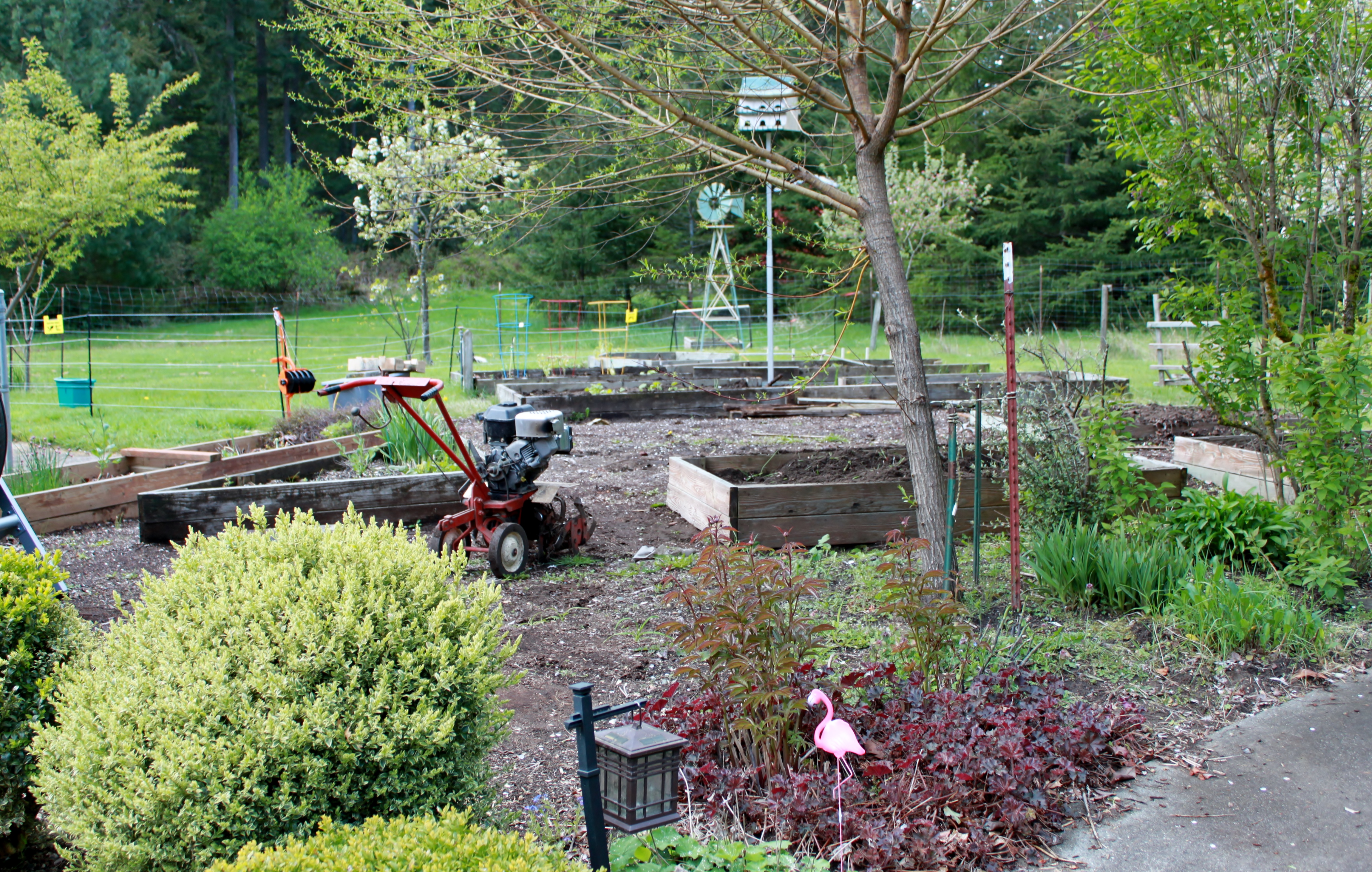
3. Amend the soil. Test it with you local ag or get a soil test from a seed store or local nursery. Amend with whatever it calls for.
4. We harvested our sweet potatoes, too. A keen observation: if you leave them in the ground too long, you may be harvesting spuds bigger than your head. (We had to let the harvesting go a little longer than recommended because on of us was recovering from spine surgery. Not me, this time.)
4. Time to plant onions and garlic. Here in N East Texas it is recommended to plant these when it’s colder and the soil is colder, too. Right now would be a good time, but I’m not into planting in the rain.
5. After putting the garden or raised beds (as is our case,) it is recommended to cover the beds with mulch.
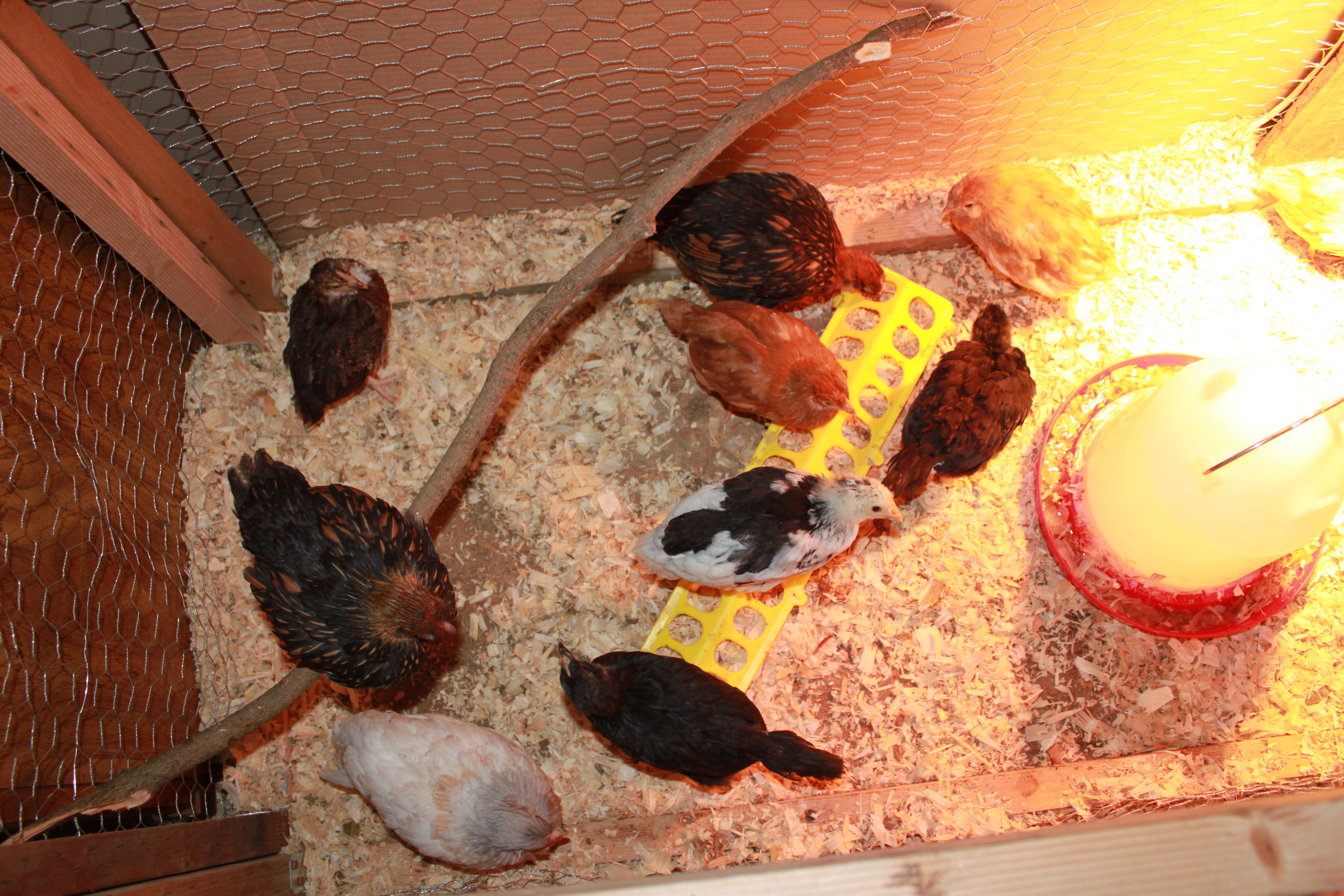
6. We do a deep clean of the poultry houses twice, maybe three times, a year. This time of year, we completely clean the old shavings out and put a nice couple of inches in to offer more insulation. We try to not use heat lamps because a) the chickens are little heat machines and b) the heat lamps have, on occasion fallen and caught the coops on fire. It’s curious that at this chilly time of year, the chickens are also molting and the usual layer of warm and protection is temporarily gone, so all the more reason for added warmth. The benefit of adding some kind of artificial light is to promote egg laying as they lay off this time of year. But, some of our girls are older and maybe they need a rest….
7. This is also the time of year we harvest the turkeys. We’re conflicted about what to actually grow here on BaldwinAcres. One of us wants fast growing and a meaty harvest – usually means Broad Breasted Whites. The downfall is they cannot naturally reproduce and sometimes get heavy too fast often resulting in respiratory issues. The other person on the farm enjoys heritage breeds. They are sometimes endangered and/or close to being so, but they grow slow, and although they’re tasty, it can take a season or two and the resulting meat is not – absolutely not – the same as the more commercial BBW. It’s an ongoing discussion.
8. Now is the time, too, that the pastures go dormant and the hay is set out.
9. This year, for the first time, we were able to sell our spring calves. And, a great friend lent us his black angus bull (who came to us nameless but was quickly dubbed – Buckley. His owner and my husband refer to him as the bull…boring. So Buckley’s been with us for a month or so. Folks charge big bucks to lease the bulls so we are every thankful for this gift!
10. Special attention must be paid to the external water sources to prevent freezing and damage. We add trough warmers but haven’t dug deep enough to pay for expensive heated hoses.
11. Final clean up of grasses/pastures/driveways/acorns takes place.
12. Previous to the cold wet weather, we’ve already prepared a sizeable wood pile for the fireplace. One of us is forever chilled and so happy to have fireplace weather arrive.
13. Sometime in this time frame, we’ll put Christmas up. One grandchild makes sure to come put and get the Christmas tree and other things out from the shed and we put it up as our time allows.
14. We made the mistake of putting up a polyurethane greenhouse. It’s too hot in the summer and too cold in the winter. We tried putting the evaporative cooler in for the summer and a space heater for the winter, but that drove electricity up too high. Putting solar in is also cost prohibitive. We ended up cutting away some lower sections for the summer and putting them back up in the fall along with some greenhouse bubble wrap. We have a slatted wood floor which we cover with cardboard we’ve saved up during the year. This seems to make it useable, but not ideal.
On very sunny days during this time we might enjoy the hot tub, or sitting by the firepit, but honestly that takes effort, so most days are spent inside, by the fire, reading, researching, seed drooling, planning and just being thankful.


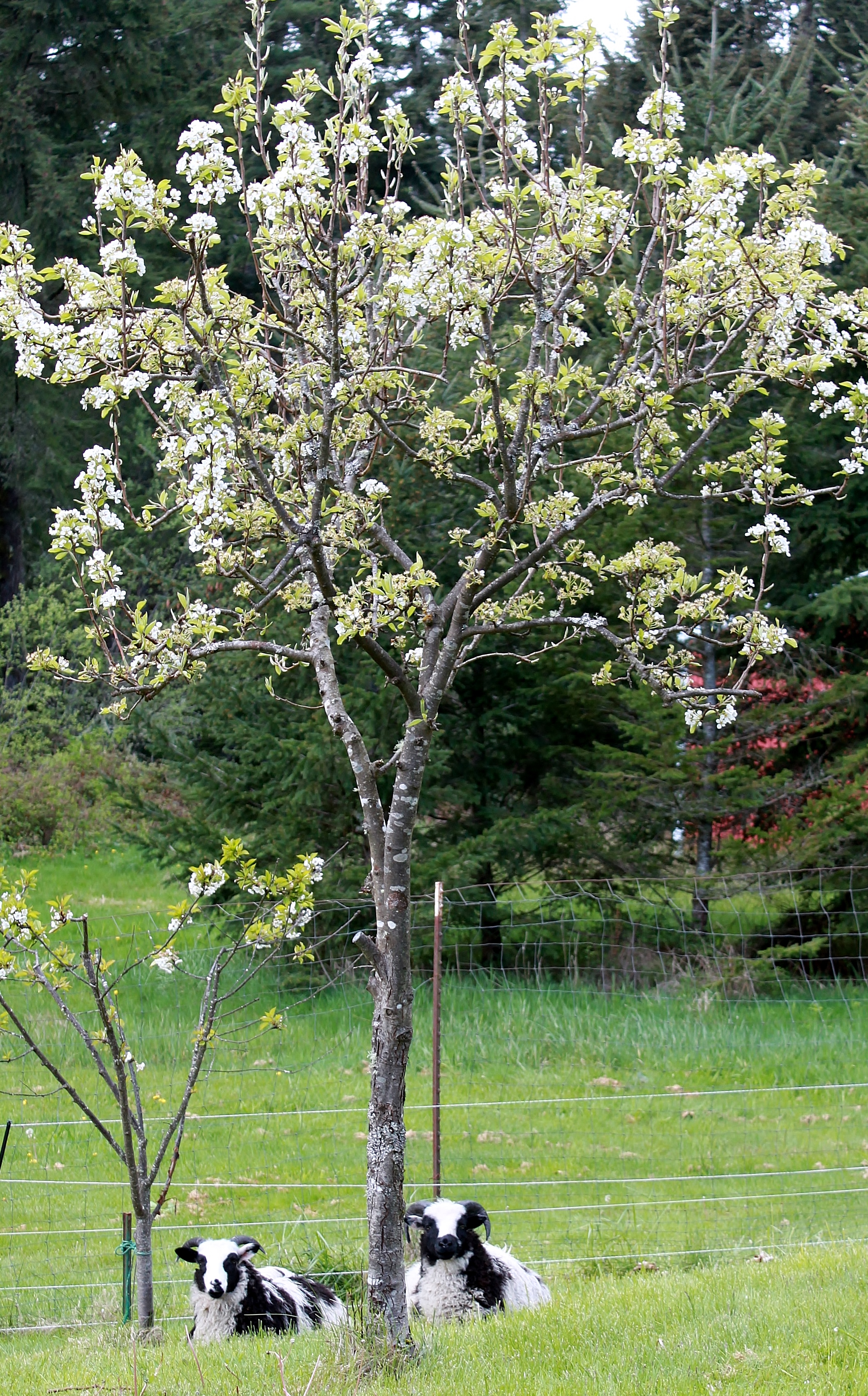
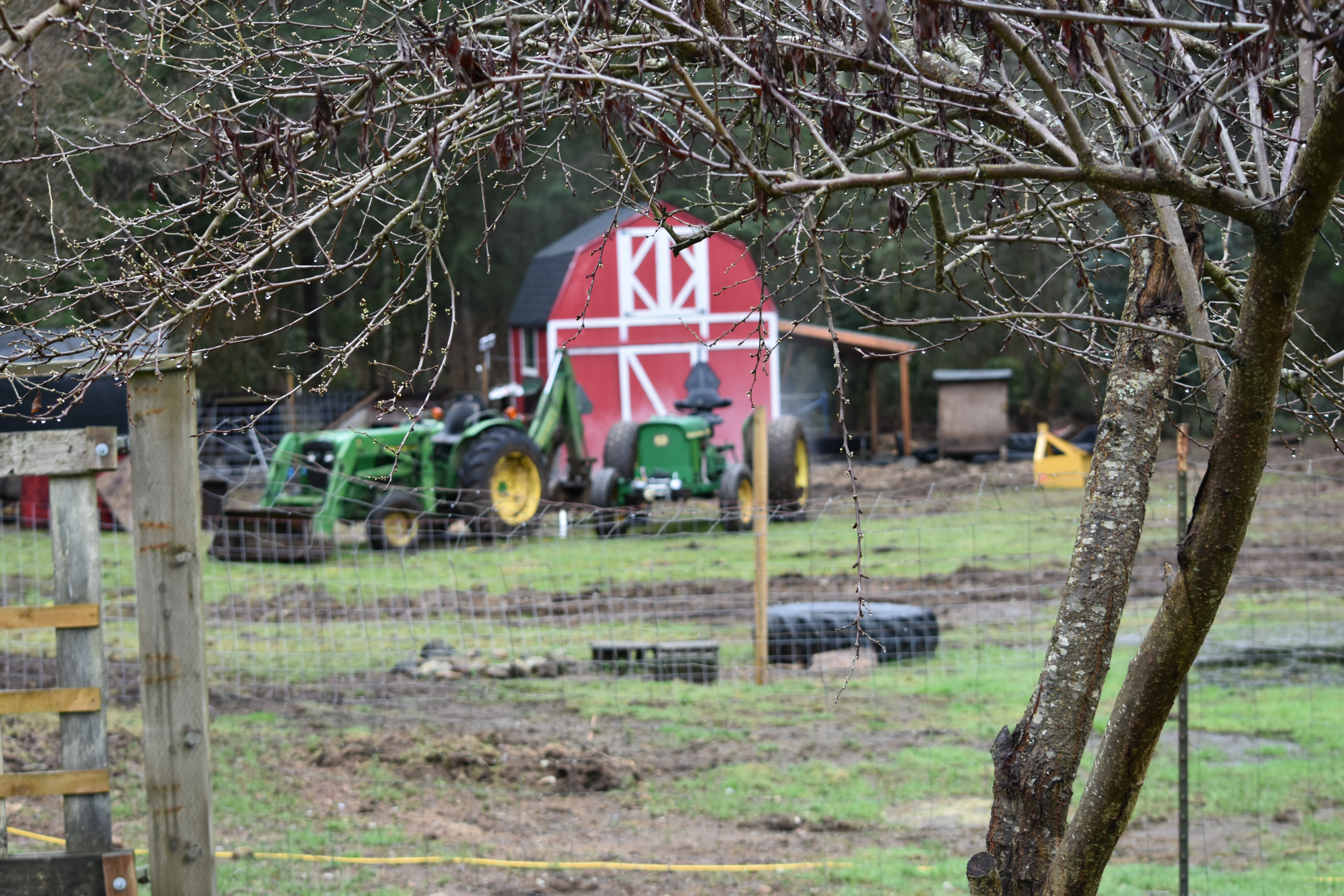 Here is a picture that sort of shows the mess I’m referring to in the back pastures. The tractors have stopped work for a while, because the ground is boggy. The area is spotted with puddles and little streams of water. To the left of the barn is the pig sty, in the barn is our supply of alfalfa and our livestock nursery. Currently Pork is housed in there, waiting to give birth to little piglets. To the right of the barn is the feeding area. There’s a tub for grain and an alfalfa feeder on the wall. We recently spread a ton of rocks in this area because the continual traffic of the livestock (Jacob sheep and kinder/Nubian goats) really has churned up the mud. A person (me) could (has) get stuck in that muck.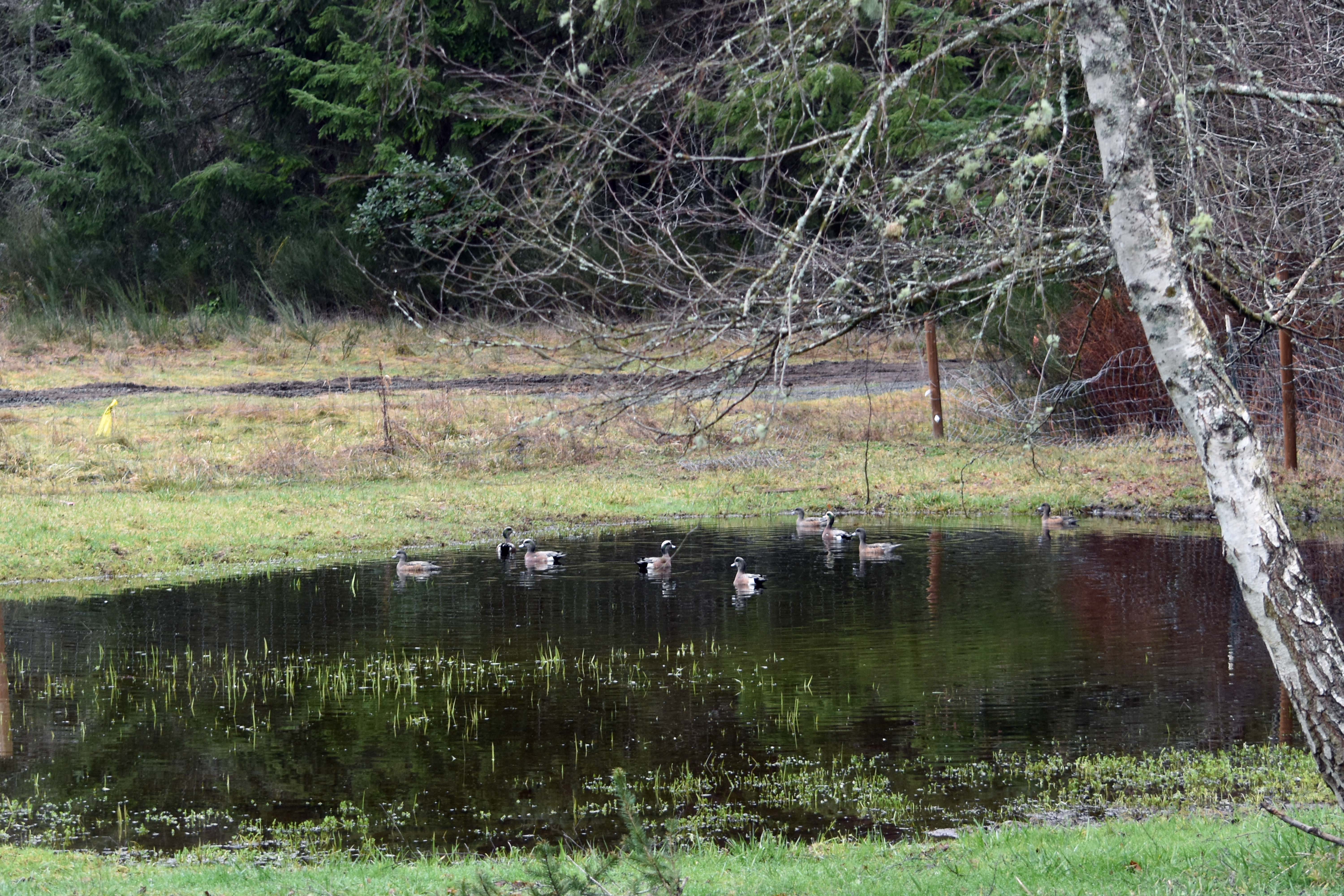








 Baldwin Acres